
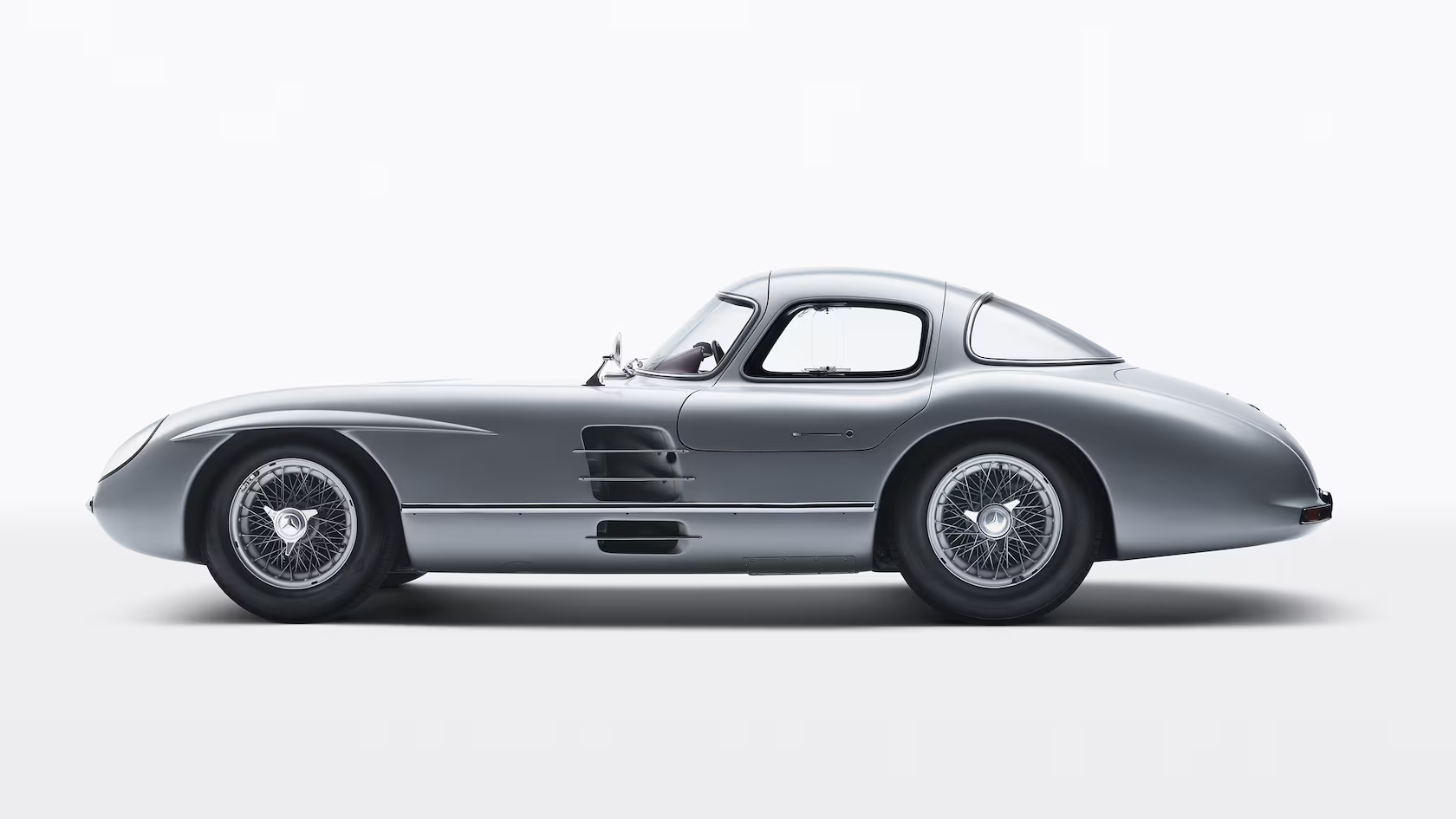
The Influence of Automotive Design on Modern Aesthetics
Automobiles have long been a symbol of innovation and style, influencing various aspects of modern design. From architecture to product design, the sleek lines and functional forms of cars have inspired designers to create aesthetically pleasing and efficient products. The automotive industry not only shapes the way we travel but also impacts the visual language of contemporary design.
Design Principles in Automotive Engineering
Automotive design is rooted in principles that prioritize both form and function. Designers focus on aerodynamics, safety, and user experience, ensuring that vehicles are not only visually appealing but also practical. This dual focus has led to the creation of cars that are not only efficient in performance but also serve as a canvas for artistic expression.
Cross-Disciplinary Influence
The influence of car design extends beyond the automotive sector. Architects and industrial designers often draw inspiration from the curves and materials used in vehicle construction. For instance, the use of lightweight materials and innovative manufacturing techniques in cars has led to advancements in building materials and methods, promoting sustainability and efficiency in architecture.
Brand Identity and Design
Car manufacturers invest heavily in design to establish a strong brand identity. The visual elements of a car, such as its shape, color, and interior layout, communicate the brand's values and target audience. This emphasis on design has encouraged other industries to adopt similar strategies, recognizing the importance of aesthetics in consumer perception and brand loyalty.
Conclusion


%201.svg)
%201.svg)




.svg)
.svg)
.svg)